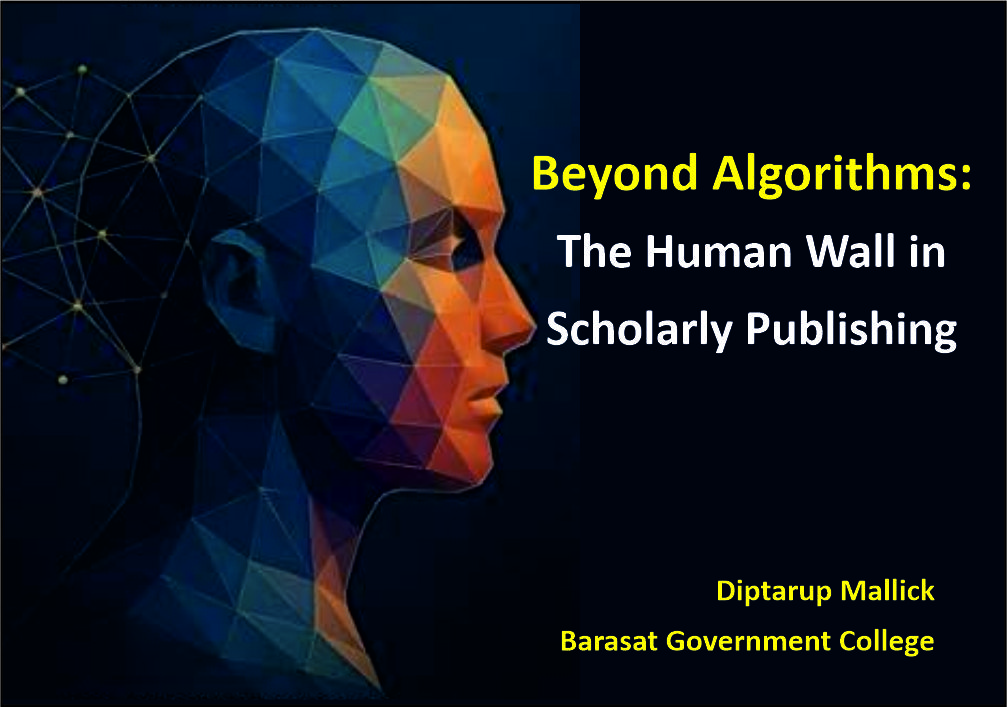
In an era where generative AI can churn out complex manuscripts in seconds, the role of the peer reviewer has shifted from a traditional academic duty to a vital defense mechanism. As the volume of submissions skyrockets, the human element remains the ultimate arbiter of scholarly integrity.
Peer reviewers do more than just fix typos; they shape the impact of global research. Their work ensures that only credible, reproducible science reaches the public. While AI can analyze patterns or check citations, it lacks a moral compass. It cannot truly grasp the ethical weight of a discovery or detect the subtle nuances of fabricated data. Global trust in the research evaluation system depends on this human skepticism. Without it, the scientific record risks being diluted by synthetic or biased content that an algorithm might overlook.
Quality control also requires technical precision. This is where tools like MeSH (Medical Subject Headings) terms become essential. By using standardized vocabulary, reviewers and editors ensure that specialized research is matched with the most qualified experts. MeSH terms act as a bridge, ensuring that niche papers aren’t lost in digital noise and that the feedback provided is actually relevant to the specific field of study.
Ultimately, technology should serve as a tool, not a replacement. The future of research hinges on reviewers who prioritize ethics over speed. By maintaining rigorous standards and utilizing precise categorization like MeSH, we ensure that science remains a pillar of truth in an increasingly automated world. The human mind is, and must remain, the final gatekeeper of knowledge.
