
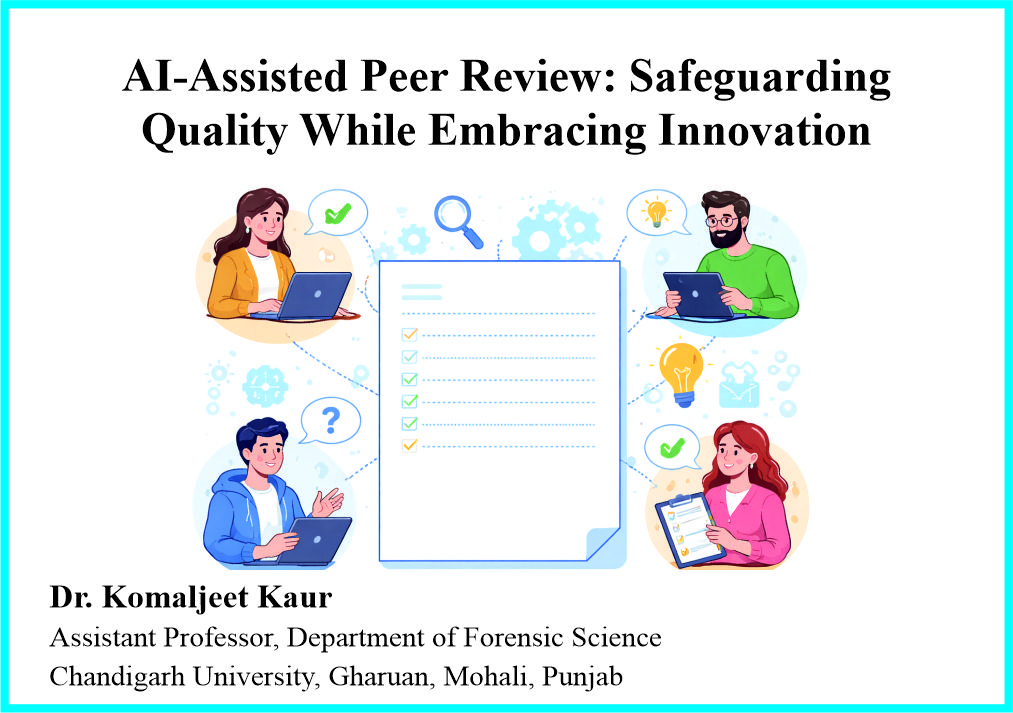
Speed creates content. Humans create credibility.
Today, artificial intelligence can create content in just a few seconds. It can write research papers, blog posts, emails, and even marketing materials. While this speed is impressive, fast content is not always correct. That is why human reviewers are more important than ever.
Reviewers help make sure information is accurate, clear, and trustworthy. AI can sometimes make mistakes, misunderstand topics, or include biased information. It may even create facts that are not real. Human reviewers use their knowledge and experience to check facts, improve clarity, and make sure the message makes sense. They also ensure the content follows ethical and professional standards. In colleges and universities, reviewers check research for errors, plagiarism, or weak arguments. They also make sure AI tools are used responsibly and transparently. AI is a powerful tool, but it still needs human guidance. When AI and human reviewers work together, the result is content that is both efficient and trustworthy. In this new digital age, reviewers help keep quality and integrity alive.
Artificial Intelligence is beginning to change the way academic publishing works, especially in peer review. Instead of relying only on busy scholars, journals can now use AI tools to quickly check manuscripts for plagiarism, statistical mistakes, or even possible image manipulation. This can save time, reduce reviewer fatigue, and help editors find the right experts for each paper.
Ideally, AI could make the process faster and even fairer by reducing some forms of human bias. AI systems learn from past data, and if that data reflects bias, the technology may quietly reinforce it, favouring certain institutions, regions, or research traditions. There’s also the risk of overdependence. Peer review isn’t just about spotting errors; it’s about judgment, context, and creativity but the qualities machines don’t truly understand. At the same time, some authors may misuse AI to generate polished but unreliable research, raising new concerns about integrity. For AI-assisted peer review to work responsibly, transparency and human oversight are essential. AI should support reviewers, not replace them. With clear ethical guidelines and accountability, AI can strengthen peer review without compromising trust.
Today, artificial intelligence can create content in just a few seconds, but human reviewers are still essential for maintaining quality and honesty. They use their judgment, values, and critical thinking skills—things AI cannot fully copy. By checking facts, spotting bias, and making sure information is clear and transparent, reviewers help keep trust alive in research, media, and business. Even in a world shaped by AI, their role is more important than ever.
